-
Ranking The Brothers Sinister
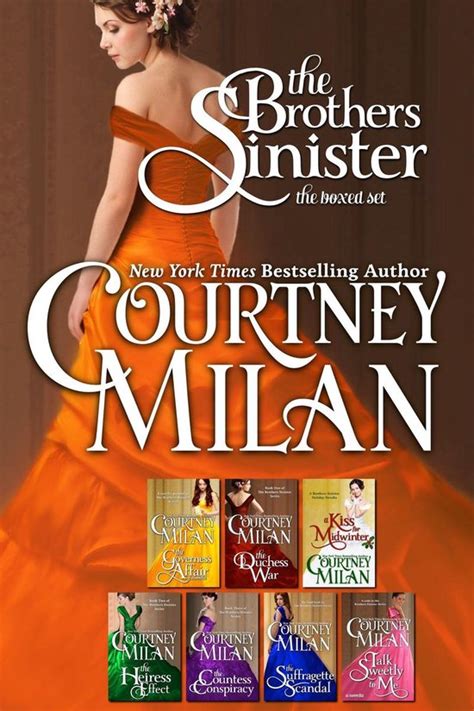
As I’ve previously stated Courtney Milan’s historical romance novels are a breath of fresh air. The characters act like adults who communicate. The third act breakup is usually not because of miscommunication but more compelling external/internal factors. Time passes. People evolve. It touches on serious issues but remain fun and romantic. Always look forward to her work, thus ranking this was very very hard. All of them are great.
- The Suffragette Scandal: This edges out The Heiress Effect by the barest margin. I just happen to enjoy Edward’s forgery skills and honest scoundrel persona born out of real PTSD from war and torture. Frederica is a delightful protagonist, admirable investigative reporter and I loved them together. I also enjoyed the minor background romance between Amanda and Genevive. And generally, how it served as a fulfilling end to the Brothers Sinister series.
- The Heiress Effect: A near-perfect novel of a hero learning that the difference between pragmatism and cowardice, using his working class background to forment real change instead of obeying the system. The heroine comes to unlearn the persona she formented for herself is something she can outgrow and she can be loved for herself. Plus it has a meaningful storyline regarding treatment for disabilities, and interracial marriage, making Jane’s sister, Emily a full-realized person herself not defined by her epilepsy.
- The Duchess War: The Duke of Claremont may have a bastard father, but he doesn’t brood about it. He’s wholesome, horribly neglected and tries so hard to be palatable to other people. Yet his privilege does get in his way sometimes when it comes to his secret union activities. Meanwhile, Minnie has a huge secret that keeps the plot going, provides real stakes when Robert accidentally implicates her in his activites. I love a wholesome romance, and admire how she made Roger’s neglectful mother a real person. Still kinda cold and neglectful but human. Comes third because it felt like it could have honestly stopped fifty pages earlier.
- A Kiss in Midwinter: Normally, I’m not a Christmas novella person since I feel like I see it everywhere. But Milan had me feeling the magic of the season. She did such a unique and nuanced take about medical malpractice, the aftereffects of grooming, caring for an aging parent, and toxic positivity. All in a hundred pages. She’s masterful when it comes to making three-dimensional characters with a well-paced grumpyxsunshine romance.
- The Governess Affair: A nice prequel setting up the background for The Brothers Sinisters generation with a well-done romance dealing with the aftermath of assault. The only reason it gets lower is because with the novella’s heavy premise and Hugo/Serena’s subplots regarding their families, I felt like it could have been a full novel itself.
- Talk Sweetly to Me: As a stand-alone novella, this was a sweet book. Pun not intended. Stephen and Olivia are wholesome characters and their date at the observatory was wonderful. I also admired how Milan dealt with the issue of dismissal of women of color when it comes to medical/pregnancy issues. A issue relevant today and more pernacious back in the racist 18900s. It just feels off to have this be the coda to the whole series. More like a bonus.
- The Countess Conspiracy: This one comes last because I know characters can be different in their internal perception of themselves, but Violet seemed so different from her more lighthearted depiction in The Duchess War, and The Heiress Effect that the bitter, insecure, self-hating insecurities seemed to come from a drastically different person. The disparity kept me from fully investing in it.
-
A Founding Mother Review
In the heart of revolutionary Boston, Abigail Adams raises her children amid riots, blockades, and the outbreak of war. While her husband, John Adams, rises from country lawyer to nation-builder, often away for years at a time, Abigail builds her own independence—managing their farm, making lucrative investments, amassing savings, battling plague and loss, and defending their home. Unafraid to speak her mind, she famously offers fearless political counsel, urging John to “remember the ladies” in the new government. Through it all, she becomes his most trusted confidante and indispensable ally.
When peace is secured, Abigail steps onto the world stage—exchanging ideas with Thomas Jefferson in the French countryside, navigating court life as the wife of the Minister to Great Britain, and presiding over the parlor politics of the early American republic in New York, Philadelphia, and Washington, DC. Even after her husband’s presidential administration, she continues battling political foes and working behind the scenes to advance her family, secure independence for the women in her life, and ensure a better life for the next generation of Americans.
From war-torn streets to the chandeliered halls of power, A Founding Mother is the unforgettable story of a woman ahead of her time—one whose voice, vision, and valor still resonate powerfully today.
The latest book by Stephanie Dray and Laura Kamoie asks readers to think about the foundations of US democracy, a woman’s place in it, and the strength of motherhood.
So often we present the founding fathers as mythical figures. Or alternatively, outdated figures who’s ideals and faults are removed from today’s time period.
However, Kamoie/Dray show that history is circular, beginning in 1814 as the Adams fear that the burgeoning nation they fought for might fall to the British in the War of 1812.
(more…) -
Paul Ruditis Interview

Paul is a prolific writer of media tie-ins, and original novels such as the Drama! series. Currently acting as Editorial Director at Insight Editions, he graciously took the time to answer my questions about his years in the industry, and what’s coming next from Insight Editions. Enjoy!
1. When did you begin writing?
I feel like I’ve always been writing. When I was a kid, reading and writing were my main hobbies. I took creative writing courses throughout college and studied screenwriting at UCLA’s professional screenwriting program after undergrad. My professional writing career formally began with a Buffy the Vampire Slayer short story that was published around twenty-five years ago.
2. What is a media tie-in writer? Is the process different from freelance fiction writing?
It’s just like a regular writing job, except that you’re writing in someone else’s world. For novels, it’s kind of like writing fan fiction, but you have more rules to follow. Those rules come from someone connected with the show/movie in some way.
Every world that I have written in has different rules and different levels of involvement from the studio. Sometimes, there are many levels of review with multiple people chiming in on top of my actual editor for the book. But I’m a guest in this world. I didn’t invest in the difficult work of creating it or coming up with the characters and building the audience. I do that when I’m writing my own original fiction, and that’s a lot of work so I appreciate how I’m part of a much larger universe when I’m writing a media tie-in. Of course, all this is true for the non-fiction tie-in work I do as well, although there are fewer gray areas about what you can do than there are in fiction.
3. You’ve written for many popular franchise-Buffy, Charmed, Alias, Star Trek – do you have a particular favorite?
Really, my favorite has always been the one that I’m working on in that moment. I’ve always loved television, even more so than film. And I’ve been lucky to work on some of my favorite shows ever. You really have to be a fan of these shows and know everything about them because you’re never ever going to know more than the hardcore fans. Even if you’re a hardcore fan yourself. You just can’t compete with the collected knowledge of a fandom, especially in the age of social media where fans examine the meaning of every line and share theories and build up that show’s universe even more.
You have to love a show and know a show intimately to write in their world. I can’t think of a show that I’ve written for that I haven’t absolutely loved and seen every single episode of, especially in my fiction. From my first Buffy short story to all the work I’ve done in the Charmed universe to my upcoming Gilmore Girls picture book, these were already my favorites shows before I started working on them. I’m very, extremely, unbelievably lucky to have been able to play in these worlds.
(more…) -
Book of the Month: A Fortune of Sand
Marjorie Lennox is the youngest daughter of a powerful automotive dynasty, a family known for money, not manners. Artistic, impulsive, and always slightly out of step, Marjorie has long been dismissed by her controlling father and self-absorbed siblings. But when she secretly applies to an exclusive arts program funded by an elusive benefactor, she sees a chance to redefine herself on her own terms. The building is grand. The participants are gifted. But something…is off.
Doors lock at odd hours. Strange sounds echo through the halls amid whispers that women are disappearing. And the handsome benefactor’s presence—mostly absent, yet somehow everywhere—begins to unnerve her. As Marjorie’s sense of self begins to slip, so does her grip on the truth. What happens to women who don’t fit neatly into a gilded frame?
I usually adore how Sepatys brings forgotten history to light, so I had high expectations for her adult debut. Unfortunately, it was a bit slow at the start. In trying to set up the Lennox family, they came across as cartoonishly eccentric. My friend and I chalked it up as the idle rich have time to develope nuroses because they have nothing else to do. However, once one gets past the first 50 pages, the story picks up. Sepatys’ Lennox family has lots of secrets, and we weren’t able to guess one of them. Impressive, but I think in keeping the reader in the dark about what the Lennoxes do or do not know, the historical descriptions/immersion Sepatys is so good at is lost. I did not feel like I was in the glittering world of the 20s or got any new insight about the gilded age of Detroit.
Still, it was an entertaining novel, and my friend and I enjoyed the characters especially Ivy, and Grandpa Lennox. We were also amused that asylums were featured prominantly in the novel. This is the third novel we’ve had this year about the role of difficult women being put in asylums for other’s benefit.
Also in keeping with the glittery, sparkles of the 20s, we watched Moulin Rogue. Another film filled with love lost, secrets and eccentric artists. Next up is the second book of the Outlander saga, Dragonfly in Amber.
-
Brenda Janowitz Interview

Brenda Janowitz is the best-selling author of The Audrey Hepburn Estate, The Grace Kelley Dress, The Dinner Party and other literary fiction. Now she’s jumping into the YA space, and she graciously took the time to answer my questions about The Introvert’s Guide to Kissing in Europe.
- What prompted you to jump into the YA sphere? How has the process been?
Even though I’ve written eight novels for adult readers, I’ve always wanted to write a young adult novel! I’m obsessed with reading young adult novels, and I think an unexpected joy for me was discovering how easily I could slip into the voice of my seventeen-year-old self. I loved reconnecting with that part of myself and remembering how I felt and how I saw the world as a recent high school grad.
2. Can you describe the dynamic between Emily and her late sister, and how it affects the story?
This story is very much a sister story, as well as a story about found family, and sisterhood in general. Emily goes on her gap year adventure in part to deal with the loss of her sister, but also to find herself and her place in the world. She uses her grandmother’s old itinerary, back from when Grandma Rose toured Europe with her own sister, as part of a 1960 girl group called The Flower Sisters. Along her journey, Emily meets a huge cast of characters who help her discover who she is, where she fits in, and how sometimes your found family can help heal you.
3. Which was your favorite country to write?
I loved researching and writing about them all! Since I studied abroad in Spain back when I was in college, I do have a soft spot for those chapters! (And I may have had a Spanish boyfriend just like the one Emily finds…)4. What do you hope readers will take away from the Introvert’s Guide to Kissing in Europe?
Most of my writing tends to be highly readable and fun, with heavier themes mixed in. It’s what I love to read, and it’s what I love to write. I think it’s also the way I approach life—trying to stay upbeat and light, while tackling whatever gets thrown my way. I hope that readers will find the book to be like a mini trip to Europe: an escape that’s also a mirror to their own lives.
5. Any other upcoming news?
I have a few projects in the works! I’m working on my next Young Adult novel, while also writing my next novel for my women’s fiction readers.
You can learn more about Brenda and her work on her website: https://www.brendajanowitz.com/
-
Summer Romances
Let It Shine/Let Us Dream by Alyssa Cole
Sofronia Wallis knows that proper Black women don’t court trouble by upending the status quo, but it’s 1961 and the Civil Rights movement is in full swing.
Sofie’s spent half her life being prim, proper, and reserved—as if that could bring her mother back—but the nonviolent protests happening across the South bring out her inner agitator. Ivan Friedman has devoted his life to boxing, loving the finesse of a well-delivered punch and the penance of receiving one. His family escaped from Europe before the horrors of WWII, and Ivan decides to help fight injustice in their new country, even if it goes against all his instincts as a fighter.
When Ivan and Sofie meet, they realize that their pasts are intertwined and—with the sparks that fly between them—perhaps their futures will be too. With everything in their society lined up against them, will Sofie and Ivan be able to beat the odds? Or will their chance at love be destroyed by the tumultuous times they live in?
A semi good girl/bad boy romance with childhood crushes trope, Cole manages to fit in two full circle arcs and a romance in less than a hundred pages with a steamy ringside scene to boot.
Sofie’s growth from prim, proper girl to budding activist was compelling as she finally unleashes the anger she’s swallowed for years and fear associated with being a bad girl. In owning her anger and directing it to the Freedom Rides, and counter sit-ins, she proves not only to everyone around her that she doesn’t need to be coddled, but she doesn’t need their validation or approval. That knowing when to fight and when to sit in silence, can be freeing.
In comparison, Ivan knows how to fight, but in giving in to his feelings is much scarier than taking a blow. His arc feels more predictable, but I like how Cole ties in Ivan’s own past with antisemites and how it informs his need to be an ally in the Civil Rights movement and call out his father’s racist tendencies in that just because some of the African-Americans insult him to his face, it doesn’t mean he has to do the same. They have similar struggles as marginalized groups and should be allies.
Plus I loved the push-pull between the fear of what society might do or say, combined with their defiances that they don’t want to hemmed in by society’s accepable rules. It’s the 60s, baby, times are changing and they aren’t going to “go along to get along” just to get scraps of decency.
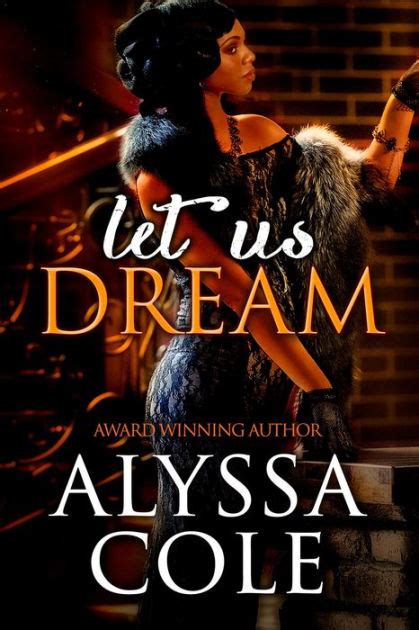
After spending half her life pretending to be something she’s not, performance is second nature for cabaret owner Bertha Hines. With the election drawing near and women’s voting rights on the ballot, Bertha decides to use her persuasive skills to push the men of New York City in the right direction.
Chef Amir Chowdhury jumped ship in New York to get a taste of the American Dream, only to discover he’s an unwanted ingredient. When ornery Amir reluctantly takes a job at The Cashmere, he thinks he’s hit the bottom of the barrel; however, working at the club reignites his dream of being a force for change. His boss, Bertha, ignites something else in him.
Bertha and Amir clash from the start, but her knowledge of politics and his knowledge of dance force them into a detente that fans the flames of latent desire. But Bertha has the vice squad on her tail, and news from home may end Amir’s dream before it comes to fruition. With their pasts and futures stacked against them, can Amir and Bertha hold on to their growing love?
A sweet story that features two stubborn butting heads who find that in their clashes, it’s not that its from disrespect but finding they are the first to treat like the other as an equal, not a inferior human because of their skin or legal status. I enjoyed the steady consistancy of their connection to each other through dancing and civic lessons, leading to a feeling of comfort in each other’s presence. Bertha definitely has the more dominant storyline of the two, struggling to keep her business afloat of the corrupt hypocrisies of the authorities targeting her. Even her attempts at helping the suffrage movement are stifled, not only by white women (she doesn’t even bother meeting them), but by her fellow people who look down on her for her occupation.
Cole brings up salient points about the intersectionality of using the vote not only to uplift women, but include lower-class and working women in the fight on their own merits instead of excluding them from the suffrage meetings. Amir’s arc is more subtle as he finds himself no longer longing for his homeland, but wishing to stay in America with a certain club owner, but fears it would put too much pressure on her, and that he can’t give her much since he has no rights or votes in a country barring Asiatic immigrants.
While I thought the denounment was a bit rushed, I did enjoy the overall romance and like Let It Shine, the message that even though America is a flawed place, they can all fight to make it better.
(more…)#1920s, #1960s, #africanamericanmcs, #alyssacole, #appetitesandvices, #arroyoblanco, #asummerforscandal, #carinapress, #ciudadreal, #civilrightsmovement, #dalliancesanddevotion, #feliciagrossman, #gildedageromance, #harlequinromance, #historicalromance, #jewishmcs, #letitshine, #letusdream, #lydiasanandres, #muslimmc, #novellas, #rachelreads&reviews, #suffragemovement, #theinfamousmissrodriguez, #thetruitts -
Book of the Month: Where the Crawdads Sing
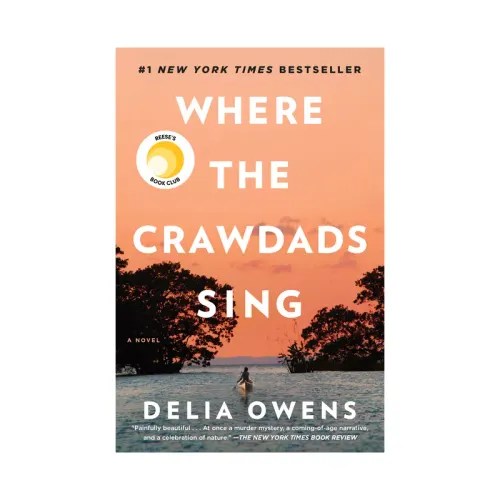
“For years, rumors of the ‘Marsh Girl’ have haunted Barkley Cove, a quiet town on the North Carolina coast. She’s barefoot and wild, unfit for polite society. So in late 1969, when handsome Chase Andrews is found dead, the locals immediately suspect Kya Clark. But Kya is not what they say. Abandoned at age ten, she has survived on her own in the marsh that she calls home. A born naturalist with just one day of school, she takes life lessons from the land, learning from the false signals of fireflies the real way of this world. But while she could have lived in solitude forever, the time comes when she yearns to be touched and loved”
This was intresting as we had both read it before, although it’s been long enoiugh we forgot the pertinent points of it. Like I knew the ending (and I hope everyone else does by now since the book/movie has been out for years. Hence spoilers under cut)
(more…) -
Her Rebel Highness Review
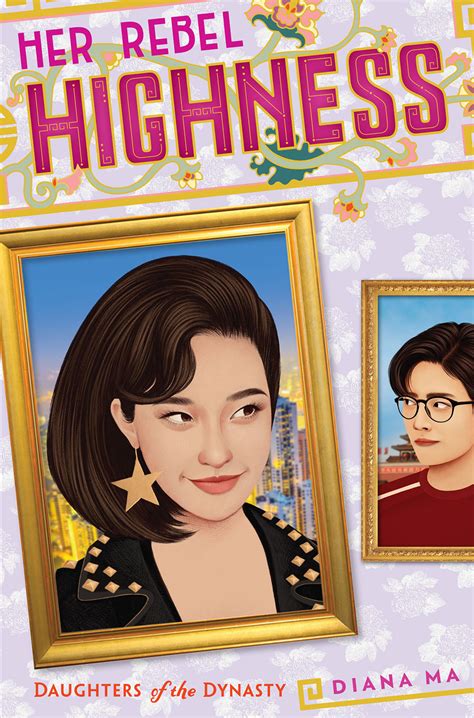
In Heiress Apparently, Gemma Huang’s big acting break led her to Beijing, where she uncovered an incredible family secret. This second novel in the Daughters of the Dynasty series delves further into Gemma’s complex and storied legacy, moving back one generation to tell the story of Gemma’s mother, Lei, as she finds love against the backdrop of 1980s China and the Tiananmen Square protests and makes a difficult decision that forever alters the course of her life.
Technically a sequel, but it’s actually a prequel as Ma dives into the events mentioned in the first novel. The fascinating backstory of Gemma’s mother, Lei, and the courage it took for her to change her life at great sacrifice.
(more…) -
Ranking The Wicked Quills of London

For those who want writers to be romanced as well as duchesses and wallflowers, this one’s for you.
- Temptations of a Wallflower: This was my top book because I related to Lady Sarah so much as a writer. Shy, dreamy, always concocting exciting scenarios in my head, but unable to put them into action. Also always thinking of how to put something from life into the story. Yeah, I got Lady Sarah and I’m sure many romance readers related to her too as she dives into her erotic psyudenom as the Lady of Dubious Quality. Her excerpts were top-notch. Yet even though she was an erotic novelist, her relationship with the vicar, Jeremy, was very wholesome. They got to learn to enjoy sex together. She sees how combining it with someone you love makes missionary even more exciting than doing it outdoors or whatever scenario she could come up with (don’t worry, there are still creative scenarios like when they tried old-timey role play). Plus I couldn’t help, but smile too when she realizes Jeremy had been reading her novels to get sex tips. Jeremy begins to question his morality-minded father’s creeds on degeneracy when he sees how erotic novels help to normalize sex as a place of pleasure for a couple. The way he stands up for her and her writing was just so sweet. Same when she stood up to her father for marrying Jeremy even though he was only the third son. Just the best book out of the bunch.
- Forever Your Earl: A fun romp through the pleasure dens of London, I enjoyed seeing the dissolute side combined with the pathos and urgency in Daniel’s mission to find his friend. It lightly tackles the topic of PTSD and how horrible people handled it back then, causing tremendous guilt in Daniel for missing the signs. Eleanor’s pride in her gossip column was well-done too, and I liked how she stood up to his snobbery that she could be doing something better with her talent. This is what she likes and has complete control of her newspaper, and she should be proud of it. Oh, and the slowburn romance worked too.
- Scandal Takes the Stage: While this was a very interesting book that tackles writer’s block and the anxiety of making a good sequel (with a whole theater of performers depending on you or else you’re all out of a job), I felt the romance between Maggie and Cameron was more by the numbers. Starting from instalove on Cameron’s part to the disdain Maggie has towards all aristos because of her former lover is a common enough backstory. The invitation Cameron issues of having her stay at his house to get writing inspiration for her rakes was like a rehash of Eleanor’s story. I didn’t feel the extra spark that made them distinct or unique. Although the fencing foreplay was very good.
-
Ranking The London Underground
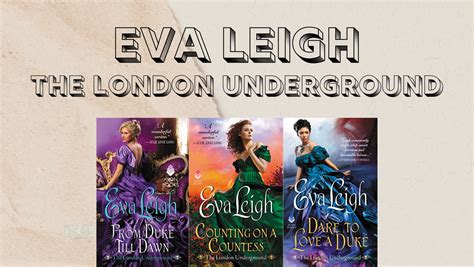
Eva Leigh can always be counted on to showcase unique heroines, and in The London Underground trilogy, these women have some brooding secrets.
1. Couting on a Countess: Surprise, surprise, Leigh delivers on morally ambiguous heroines with Tamsyn, a smuggler on the Cornish coast who needs a rich, distant husband in order to keep feeding the village she provides for. Kit needs a wife in order to access his inheritance. This classic marriage of convenience manages to deliver a moving account on two individuals who have suffered their share of neglect and hardship to find relief in each other.
I, especially like Leigh’s use of twists in putting Tamsyn in charge of the finances as part of the will’s stipulation and Kit’s reaction to that (petulent and a bit manipulative which leads to the third act break-up we all are expecting). I also enjoyed how Kit’s motivations in gaining the money for his pleasure garden stem from deep need after his experiences in the war, and the way it is glossed over by most of society and he has no way to process the pain besides spendthrifting.
There is a big flaw in that Tamsyn’s lie is considerably more hurtful compared to Kit’s, and she doesn’t do enough groveling in my opinion. Also Kit’s about-face was pretty quick for such a law and order guy, but the magnetism between the couple won me over. Plus readers will enjoy the reappearence of Cameron and Maggie Marwood from her previous trilogy.
(more…)
-
Subscribe
Subscribed
Already have a WordPress.com account? Log in now.
 Rachel Reads & Reviews
Leave a comment